Introduction
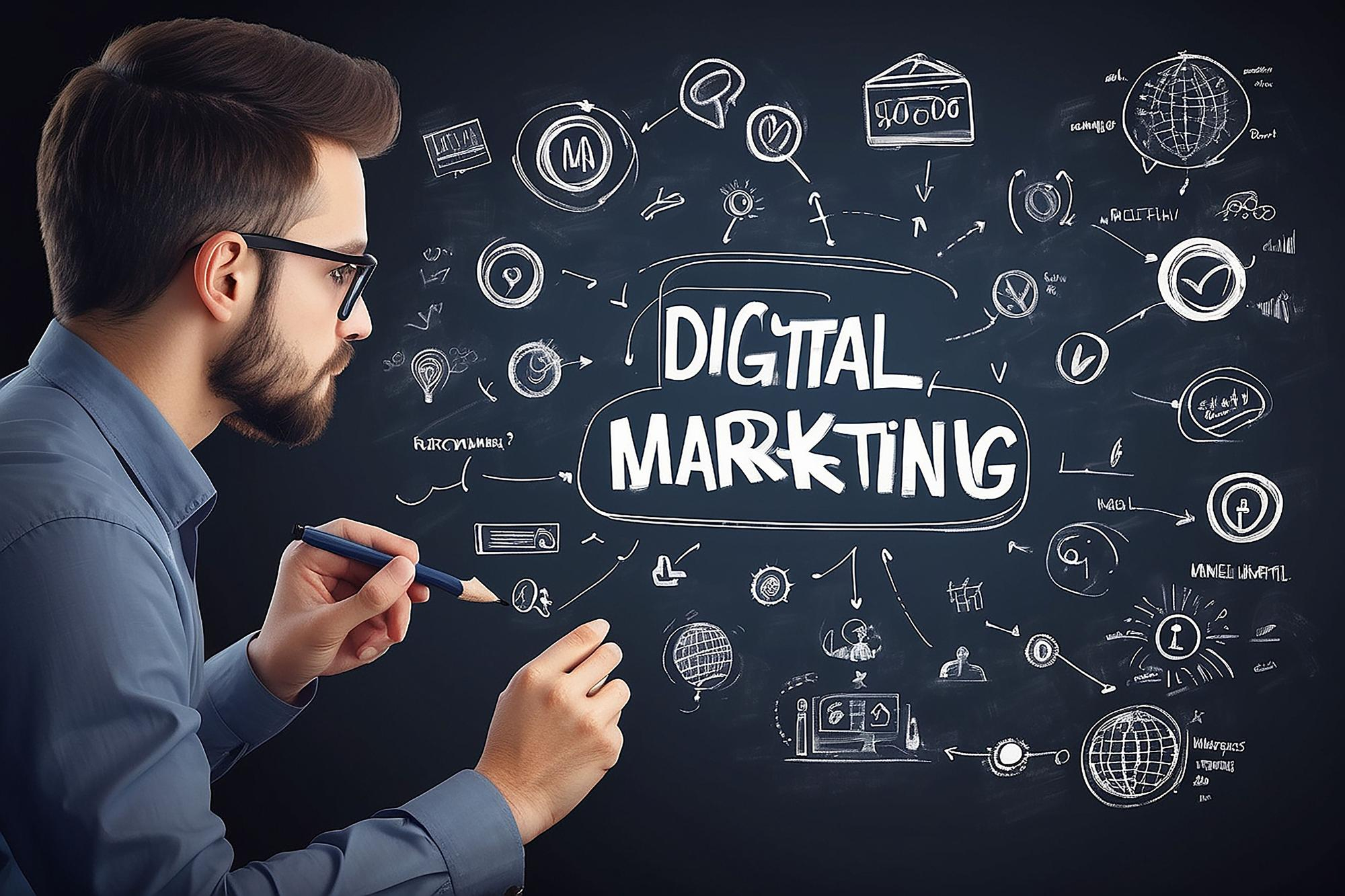
Digital marketing might sound like a fancy term, but it’s actually quite simple. Imagine you’re at a big, fun fair. There are many stalls, each selling something different. Now, think of digital marketing as the loudspeaker that tells everyone about the best stalls to visit. It’s all about using the internet and electronic devices to let people know about products and services. Sounds cool, right? Let’s dive deeper and see how digital marketing is so simple.
Definition of Digital Marketing
Digital marketing is the use of the internet, social media, search engines, and other digital platforms to promote products and services.
The Difference Between Traditional and Digital Marketing
Traditional marketing uses methods like TV ads, billboards, and newspapers. Digital marketing, on the other hand, uses websites, social media, and email.


Imagine traditional marketing as a paper book and digital marketing as an e-book. Both tell stories, but one is on paper, and the other is on a screen.
Types of Digital Marketing
Search Engine Optimization (SEO)
Content Marketing
Social Media Marketing
Pay-Per-Click (PPC) Advertising
Email Marketing
Affiliate Marketing
Influencer marketing
Digital Marketing: 7 Proven Strategies to Skyrocket Your Sales
In today’s fast-paced online world, digital marketing is essential for businesses looking to enhance their online presence and boost sales. Implementing effective strategies can help you reach a wider audience, engage with customers, and ultimately drive growth. Here are seven proven strategies to skyrocket your sales through digital marketing.
1. Optimize Your Website for SEO
Search Engine Optimization (SEO) is a fundamental aspect of digital marketing. By optimizing your website for search engines, you can increase organic traffic and improve your visibility online. Focus on:
- Keyword Research: Identify relevant keywords that potential customers use to search for your products or services.
- On-Page SEO: Optimize meta titles, descriptions, headers, and content with targeted keywords.
- Technical SEO: Ensure your website is mobile-friendly, has a fast loading speed, and is free of broken links.
2. Leverage Content Marketing
Content marketing involves creating and sharing valuable content to attract and engage your target audience. Effective content marketing can establish your brand as an authority in your industry and drive organic traffic. Consider:
- Blog Posts: Write informative and engaging articles that address common questions and pain points of your audience.
- Videos: Create video content that showcases your products, shares tutorials, or provides insights into your industry.
- Infographics: Use visual content to present data and information in an easily digestible format.
3. Harness the Power of Social Media
Social media platforms are powerful tools for digital marketing. They allow you to connect with your audience, promote your products, and build brand loyalty. Strategies include:
- Consistent Posting: Maintain a regular posting schedule to keep your audience engaged.
- Interactive Content: Use polls, quizzes, and live videos to interact with your followers.
- Paid Advertising: Utilize social media ads to target specific demographics and reach a wider audience.
4. Email Marketing for Direct Engagement
Email marketing is a highly effective way to engage directly with your customers and prospects. Build a quality email list and use it to send personalized messages. Key tactics include:
- Segmentation: Divide your email list into segments based on customer behavior and preferences for targeted campaigns.
- Automation: Set up automated email sequences to nurture leads and convert them into customers.
- Personalization: Use customers’ names and tailor content to their interests for a more personalized experience.
5. Influencer Partnerships
Influencer marketing leverages the reach and credibility of influencers to promote your products. Collaborating with influencers can help you tap into their followers and increase brand awareness. Steps to consider:
- Identify Relevant Influencers: Choose influencers whose audience aligns with your target market.
- Authentic Collaborations: Work with influencers to create authentic content that showcases your products.
- Track Performance: Monitor the performance of influencer campaigns to measure their impact on your sales.
6. Utilize Pay-Per-Click (PPC) Advertising
PPC advertising is a cost-effective way to drive targeted traffic to your website. By bidding on keywords, you can place ads in search engine results and pay only when users click on them. Best practices include:
- Keyword Selection: Choose relevant and high-intent keywords for your ads.
- Compelling Ad Copy: Write persuasive ad copy that highlights the benefits of your products.
- Landing Page Optimization: Ensure your landing pages are optimized for conversions with clear calls-to-action.
7. Analyze and Adjust Your Strategies
Regular analysis of your digital marketing efforts is crucial for continuous improvement. Use analytics tools to track the performance of your campaigns and make data-driven decisions. Focus on:
- Metrics Tracking: Monitor key metrics such as traffic, conversions, and engagement rates.
- A/B Testing: Experiment with different strategies to determine what works best for your audience.
- Adjust and Optimize: Use insights from your analysis to refine and optimize your digital marketing strategies.
Conclusion
Implementing these seven proven strategies can significantly enhance your digital marketing efforts and help you achieve your sales goals. By optimizing your website for SEO, leveraging content marketing, engaging with social media, utilizing email marketing, partnering with influencers, employing PPC advertising, and continuously analyzing your strategies, you can create a robust digital marketing plan that drives growth and success. Start today and watch your online presence and sales skyrocket!