
Introduction
Definition of Graphic Design
Graphic design is the craft of creating visual content to communicate messages. By applying visual hierarchy and page layout techniques, graphic designers use typography and pictures to meet users’ specific needs and focus on the logic of displaying elements in interactive designs to optimize the user experience.
Importance of Graphic Design in Various Industries
Graphic design plays a crucial role in marketing, branding, advertising, and various other industries. It’s essential for creating visual identities, communicating messages effectively, and engaging audiences.
Principles of Graphic Design
Balance
Balance involves distributing elements evenly to create a sense of stability. It can be symmetrical or asymmetrical.
Contrast
Contrast helps to highlight differences between elements, making certain parts of the design stand out.
Emphasis
Emphasis directs the viewer’s attention to the most important part of the design, using size, color, and placement.
Movement
Movement guides the viewer’s eye through the design in a specific direction, creating a sense of action.
Proportion
Proportion refers to the size relationship between different elements, ensuring they fit together harmoniously.
Rhythm
Rhythm creates a visual tempo, leading the viewer through the design with repeated elements.
Unity
Unity ensures all elements work together cohesively, giving the design a sense of completeness.
Elements of Graphic Design
Line
Lines can be used to define shapes, create textures, and guide the viewer’s eye.
Shape
Shapes are the foundation of design, forming the basis of icons, illustrations, and patterns.
Color
Color influences mood and emotion, playing a vital role in branding and design aesthetics.
Texture
Texture adds depth and tactile quality to a design, making it more engaging and realistic.
Space
Space, or negative space, helps to balance elements and prevent the design from feeling cluttered.
Typography
Typography involves the selection and arrangement of typefaces, crucial for readability and style.


Types of Graphic Design
Visual Identity
Visual identity design involves creating logos, color schemes, and visual elements that represent a brand.
Marketing and Advertising
This type of design focuses on creating promotional materials like posters, flyers, and social media ads.
User Interface
UI design involves designing the visual elements of software interfaces to enhance usability and user experience.
Publication
Publication design includes designing layouts for books, magazines, newspapers, and other printed media.
Packaging
Packaging design involves creating packaging for products that are functional and visually appealing.
Motion Graphics
Motion graphics are animated visual elements used in videos, presentations, and multimedia projects.
Environmental
Environmental graphic design involves creating signage, wayfinding systems, and visual elements for physical spaces.
“Good design is good business.” – Thomas Watson
Graphic Design Tools
Traditional Tools
Traditional tools include sketchbooks, pencils, markers, and other physical media used for initial design concepts.
Digital Tools and Software
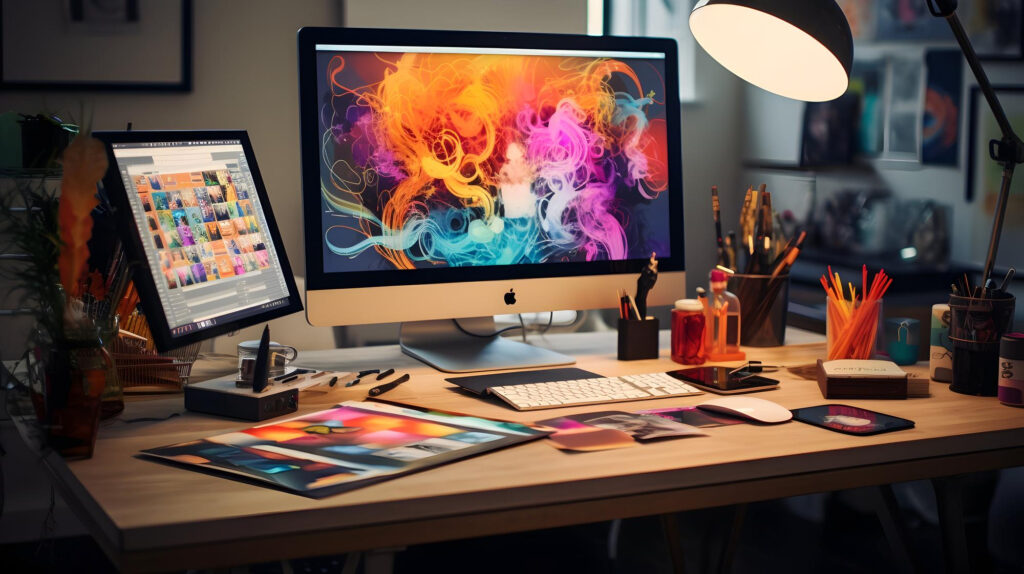
Digital tools like Adobe Photoshop, Illustrator, and InDesign are essential for creating and refining designs.
Graphic Design and Branding
Role of Graphic Design in Building a Brand
Graphic design is crucial for creating a strong brand identity, from logos to marketing materials.
Creating a Cohesive Brand Identity
A cohesive brand identity ensures consistency across all visual elements, reinforcing brand recognition and trust.
Conclusion
Graphic design is a multifaceted field that combines creativity and technical skills to communicate messages effectively. Understanding its principles, tools, and processes is essential for success in this dynamic industry.
Final Thoughts
Whether you’re an aspiring designer or a business looking to improve your visual communication, embracing the art and science of graphic design can lead to compelling and impactful results.
Graphic design is the art of visual communication through the use of typography, photography, iconography, and illustration. It combines creativity with technical skills to convey messages or evoke emotions effectively. From logo creation to website layouts, graphic design plays a crucial role in branding and marketing strategies. Designers utilize software like Adobe Illustrator and Photoshop to craft compelling visuals that resonate with target audiences. Whether in print or digital formats, good graphic design captivates viewers, enhances user experience, and strengthens brand identity. It blends artistic flair with strategic thinking to produce visually engaging solutions across various media platforms.

