Introduction
Definition of Website Designing
Website designing is the process of creating the layout, visual appearance, and user experience of a website. It involves a combination of graphic design, user interface (UI) design, and user experience (UX) design to ensure that a website is not only aesthetically pleasing but also functional and easy to navigate.
Importance of Websites in Digital Marketing
In digital marketing, a website is a critical tool for attracting and engaging customers. It serves as the online face of a business, providing information, facilitating transactions, and building brand credibility. A well-designed website can significantly enhance marketing efforts, driving traffic, and increasing conversions.
Understanding Website Designing
What is Website Designing?
Website designing encompasses the planning and creation of websites. This includes the structure, layout, colors, fonts, images, and content. The goal is to create an intuitive and engaging experience for users, guiding them through the website seamlessly.
Key Components of Website Design
- Layout: The structure and arrangement of elements on a webpage.
- Color Scheme: The combination of colors used to create a visually appealing site.
- Typography: The style and appearance of text.
- Imagery: Photos, illustrations, and graphics used to enhance the site.
- Navigation: The system that allows users to move through the website.
The Role of Website Design in Digital Marketing
Enhancing User Experience
Good website design improves user experience (UX) by making the site easy to navigate and visually appealing. This keeps visitors on the site longer and encourages them to explore more pages.
Improving Search Engine Rankings
A well-designed website that follows SEO best practices can rank higher in search engine results, making it more visible to potential customers. This involves optimizing site speed, mobile-friendliness, and using relevant keywords.
Elements of Effective Website Design
Responsive Design
A responsive design ensures that the website looks and functions well on all devices, including desktops, tablets, and smartphones.
Visual Appeal
Using a consistent color scheme, high-quality images, and attractive fonts creates a visually appealing site that engages users.
Easy Navigation
Clear and intuitive navigation helps users find the information they need quickly and easily, enhancing their overall experience.
Fast Loading Speed
Websites that load quickly are favored by both users and search engines. Optimizing images and using efficient coding practices can improve load times.
Clear Call to Actions
Effective websites guide users towards specific actions, such as making a purchase, signing up for a newsletter, or contacting the business. Clear and compelling calls to action (CTAs) are essential for conversions.
Process of Designing a Website
Planning and Research
Understanding the target audience, business goals, and competitor landscape is crucial for creating a successful website.
Wireframing and Prototyping
Creating wireframes and prototypes helps in visualizing the layout and functionality before the actual design process begins.
Design and Development
This phase involves creating the visual design and developing the website using coding languages such as HTML, CSS, and JavaScript.
Testing and Launch
Thorough testing ensures that the website works well across different devices and browsers. Once everything is perfect, the site is launched.
Benefits of a Well-Designed Website
Increased Traffic
An attractive and well-optimized website can attract more visitors through organic search and digital marketing efforts.
Higher Conversion Rates
A user-friendly design with clear CTAs can lead to higher conversion rates, turning visitors into customers.
Better Brand Credibility
A professional-looking website enhances the credibility and trustworthiness of a brand.
Enhanced User Engagement
Engaging content and intuitive design keep users on the site longer, reducing bounce rates and increasing interaction.

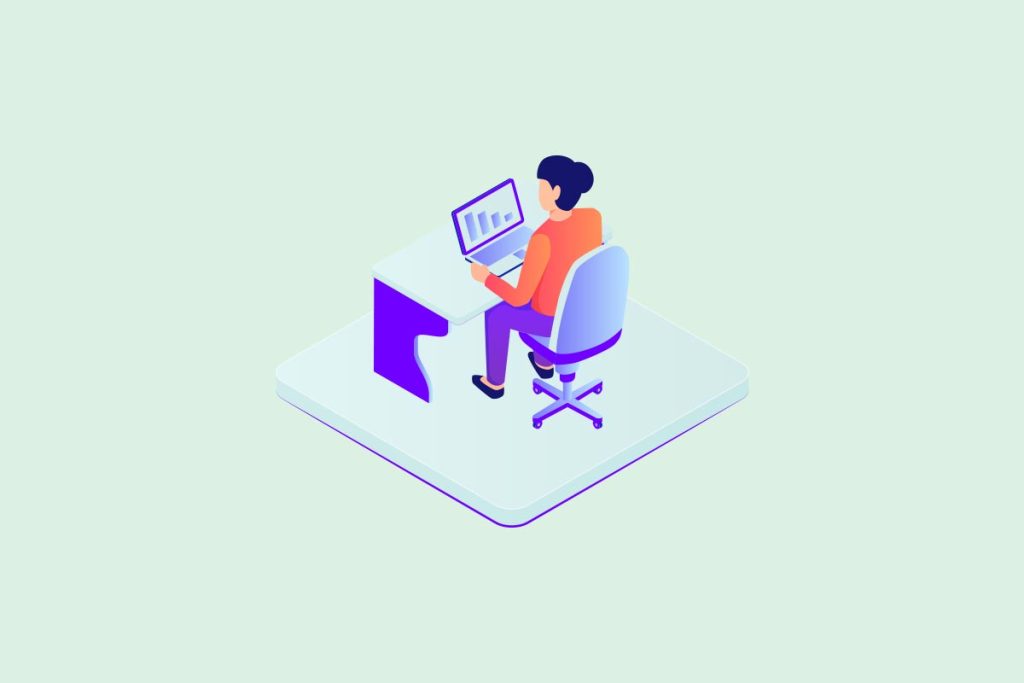

Tools and Platforms for Website Designing
WordPress
A popular content management system (CMS) that offers flexibility and a wide range of plugins and themes.
Wix
A user-friendly platform for creating websites with drag-and-drop features and customizable templates.
Adobe XD
A powerful tool for designing and prototyping user experiences for websites and mobile apps.
Figma
A collaborative interface design tool that allows for real-time collaboration on website designs.
Case Studies of Effective Website Designs
Example 1: E-commerce Success Story
An e-commerce brand redesigned its website to include a more intuitive navigation system, responsive design, and clear CTAs, resulting in a significant increase in online sales.
Example 2: Service-Based Business Transformation
A service-based business revamped its site with a focus on user experience and SEO, leading to higher search engine rankings and a surge in client inquiries.
“Websites promote you 24/7: No employee will do that.”
– Paul Cookson.
Challenges in Website Designing
Keeping Up with Trends
Web design trends change rapidly. Staying updated and implementing the latest trends can be challenging but necessary.
Balancing Aesthetics and Functionality
A visually stunning website is important, but it must also be functional and easy to navigate.
Ensuring Security and Privacy
Implementing robust security measures to protect user data and ensure privacy is crucial for any website.
Conclusion
Website design is a fundamental aspect of digital marketing, playing a critical role in enhancing user experience, improving SEO, and increasing conversions. Effective website design combines aesthetics with functionality to create an engaging and user-friendly site.
Final Thoughts
Investing in a well-designed website is essential for any business looking to succeed in the digital landscape. By understanding your audience, keeping up with trends, and focusing on both aesthetics and functionality, you can create a website that not only attracts visitors but also converts them into loyal customers.